

Learning at every level
‘The speed of change means skills will constantly become outdated or obsolete’
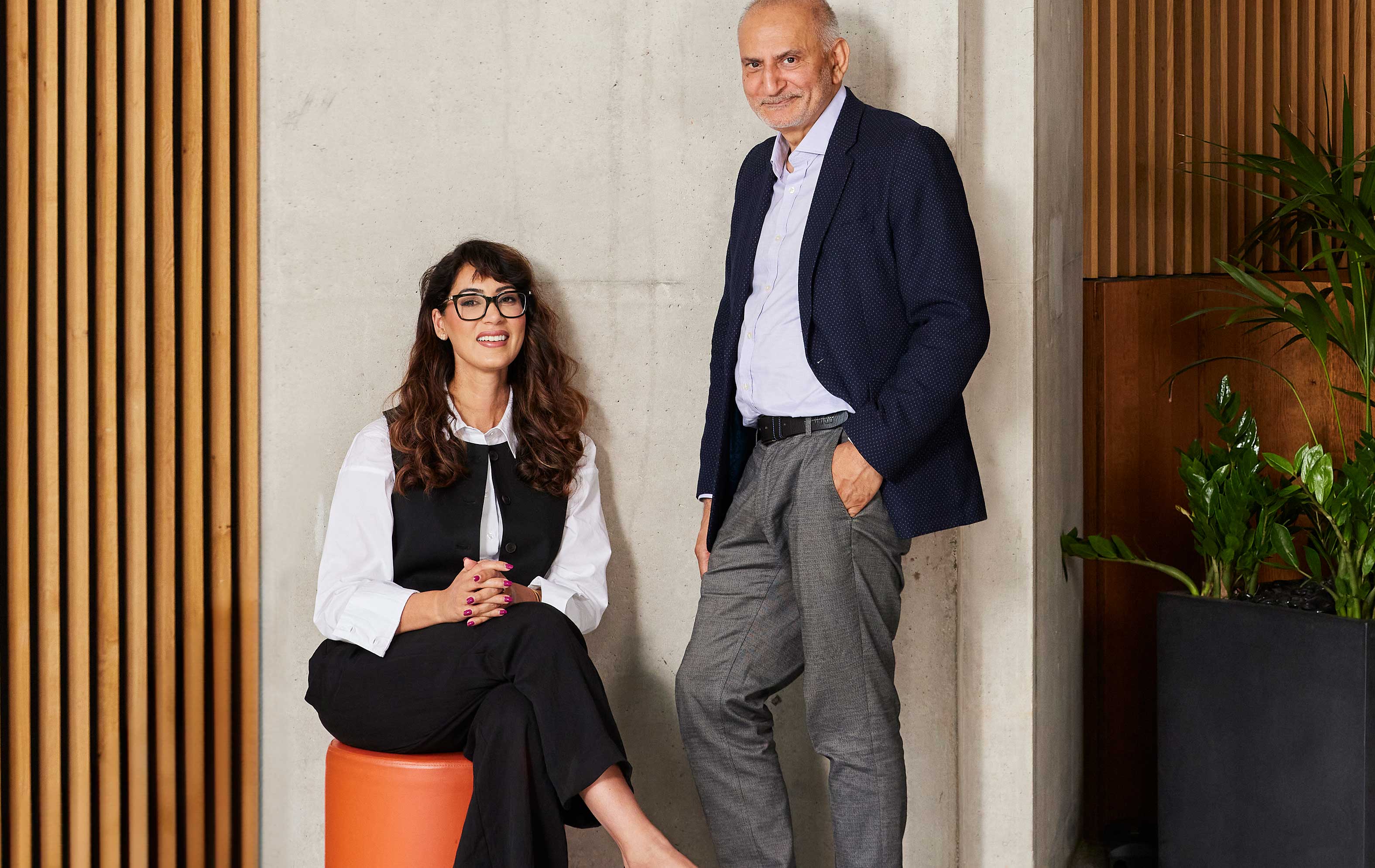
Indi Seehra is director of HR and Neelam Talewar is director of HR operations at the London School of Economics and Political Science, one of the world’s most prestigious social science universities. They discuss why they’ve embedded a culture of learning, how AI is going to change the future of work and why unlearning is key when it comes to upskilling.
Beyond the academic, how is LSE implementing learning?
Indi Seehra: Over the last 30 years, true learning has shifted from education to the world of work. It’s now critical that organisations have policies that encourage self-learning at all levels. At LSE, our Learning For You initiative allows people to pick something they want to learn and the organisation will fund it – that’s our commitment to investing in people wanting to learn. That mindset is a critical part of our growth strategy.
Neelam Talewar: We also implemented MHR's learning management system (LMS) which has introduced a culture of continuous learning. Staff now know exactly where to access material and the system gives data-driven insights; managers can see skills gaps and track progress. We’ve now got 700 users who have accessed at least one training course. The new system allows the staff member to have ownership through individual dashboards with AI enabled technology.
What role do you think AI will play in the future of learning?
IS: We’re currently ensuring that all LSE staff have the capability and capacity to use AI as a mainstream part of their work; the more you can learn AI, the more it will help you. For learning and development initiatives, organisations should focus on three things: ensuring that staff learn the values of the organisation; ethics, which includes morals, sustainability and ESG; and application of content. In the past, the challenge was creating the content. Now, content is accessible to everyone, so the challenge going forward is learning how to interpret and apply that content in the right way.
NT: We’ve moved away from one-size-fits-all to individual pathways. We are able to look at users’ performance and behaviour on the system and then personalise their pathway through that. I think we’ll see more of an introduction of AI tutors and agentic AI, which is already reflected in the co-pilot technology we have implemented at LSE.
ON EDUCATION
Indi Seehra director of HR
ON LEARNING
Indi Seehra director of HR
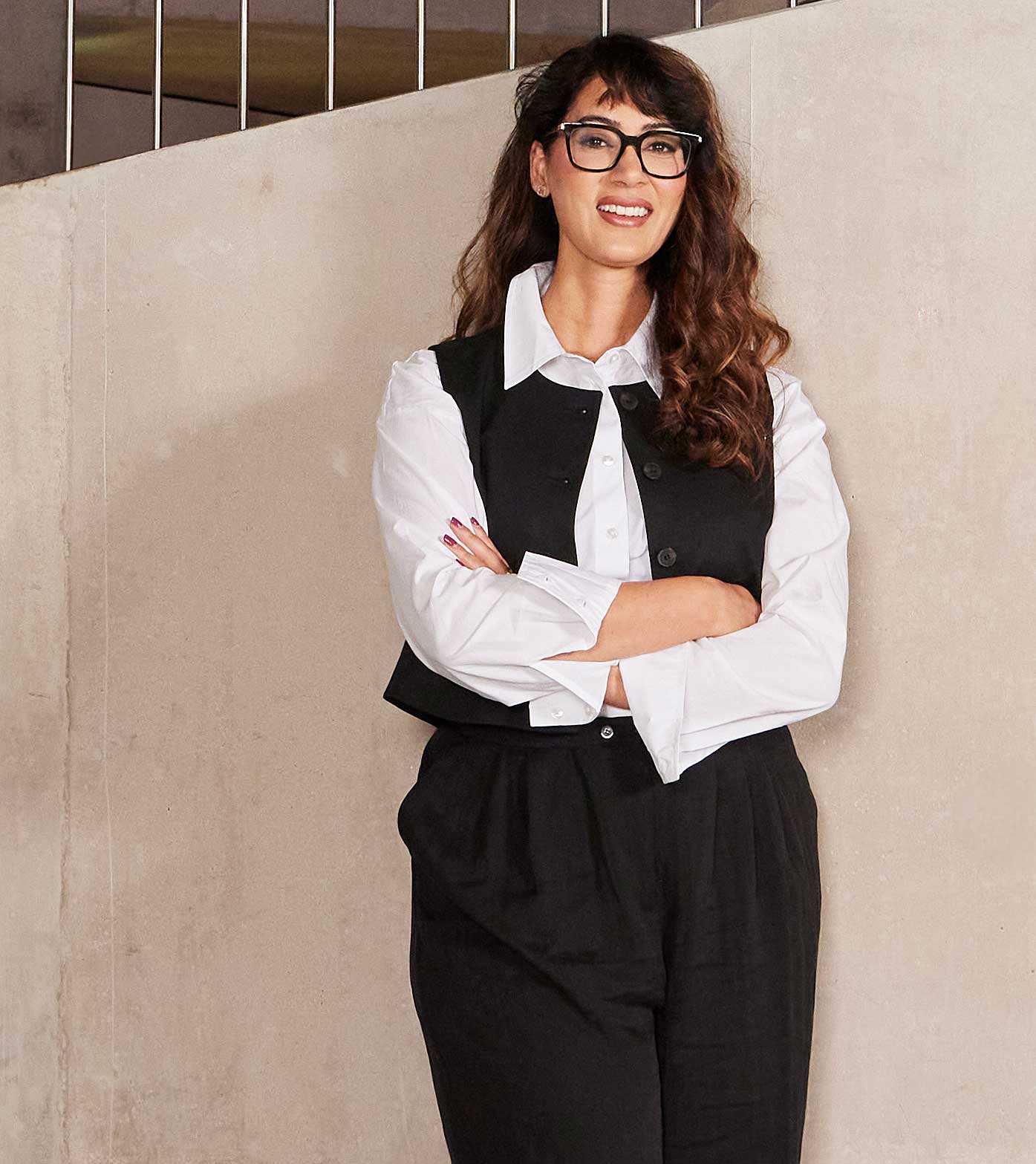
LSE’s Indi Seehra and Neelam Talewar are changing the game when it comes to the future of learning
What are the most important skills young people need to develop today?
IS: The ability to give up the skills they’ve already got and acquire new skills. The sheer speed of change will constantly mean skills become outdated or obsolete. That’s the biggest challenge for HR professionals: how do you get people to accept that change is constant, and that having an adaptable and positive mindset is crucial?
NT: I think more understanding of AI ethics and data literacy is important. AI provides enormous opportunities, but it must be implemented responsibly and in a way that does not replace critical-thinking skills.
ON POTENTIAL
Indi Seehra director of HR
ON AI
Neelam Talewar director of HR operations
What are the main benefits of a culture of growth and learning, and how can other organisations create one?
IS: While having a culture of learning was once considered optional – it was talked about even in the 1960s and 70s – it is now a must. Beyond the obvious benefit of learning itself, it’s what keeps people happy, encourages positivity about the employer and leads to better retention.
A culture of learning is now directly linked to your career pathway and what you want to do. At LSE, we recognise that we have to move beyond a vertical hierarchy. People want to specialise and pursue their interests, often by blending what they do at work with other outside interests, and career pathways must support this type of progression.
NT: Based on direct feedback, users of our LMS feel supported. Beyond giving confidence and tangible capabilities, the strong learning culture I’ve implemented has increased resilience to change while simultaneously reducing turnover.
What is the most important thing you have learned across your career?
IS: Unlearning in order to grow, and the power of autonomy. If you want people to excel and to do the right thing, they must feel a sense of liberty and ownership over what they do.
NT: People-centred leadership. When you focus on the people at the heart of a transformation, you can create environments where people truly thrive.
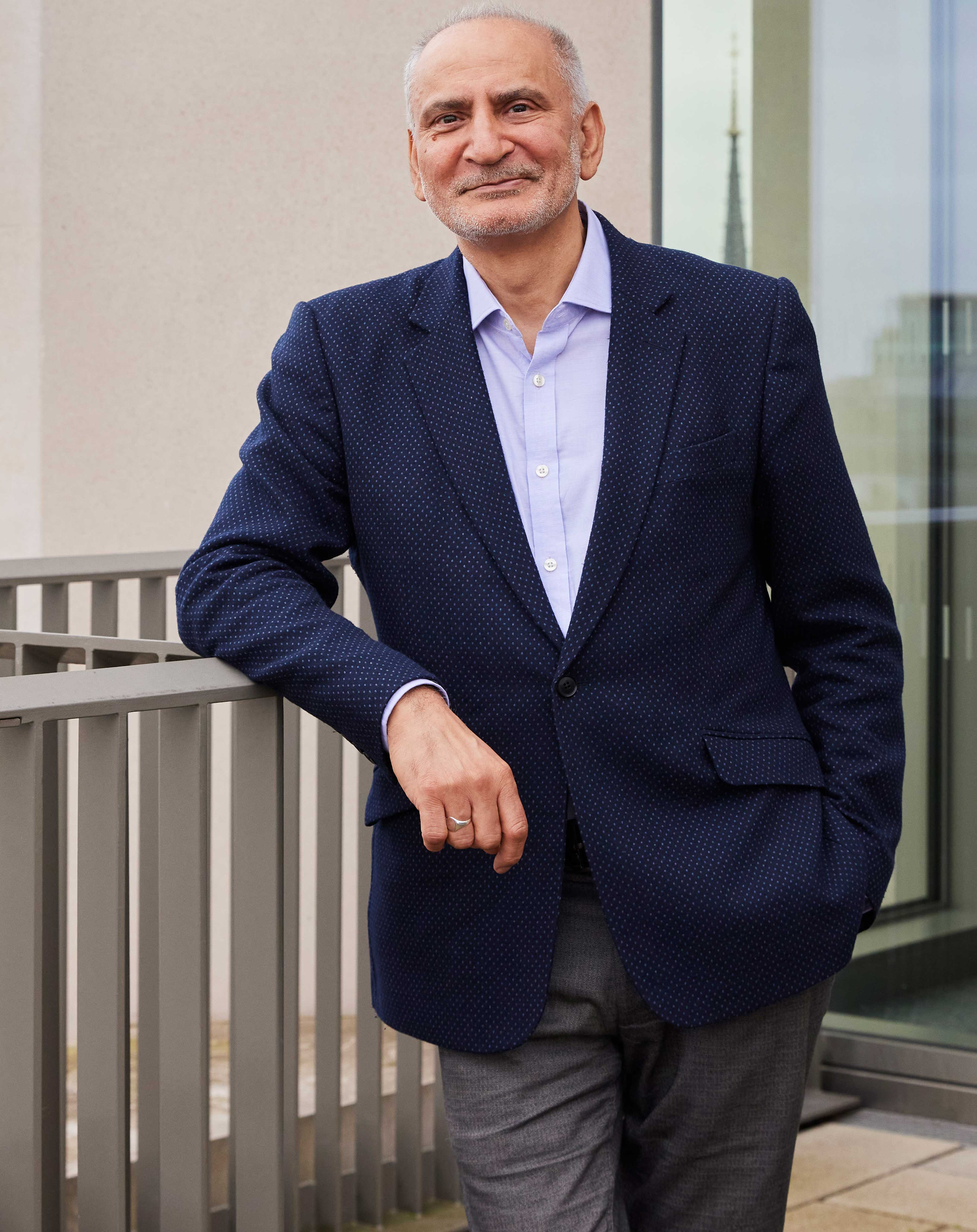
Indi Seehra
ON FUTURE
Neelam Talewar director of HR operations
ON PROGRESS
What do you want your legacy to be?
IS: For people who have worked with me, like Neelam, to go on to be part of something bigger than themselves.
NT: I’d like my legacy to be modernising with empathy. I want to embrace all the opportunities that lie ahead while holding onto a deep understanding of the people around me.
MORE INSIGHTS
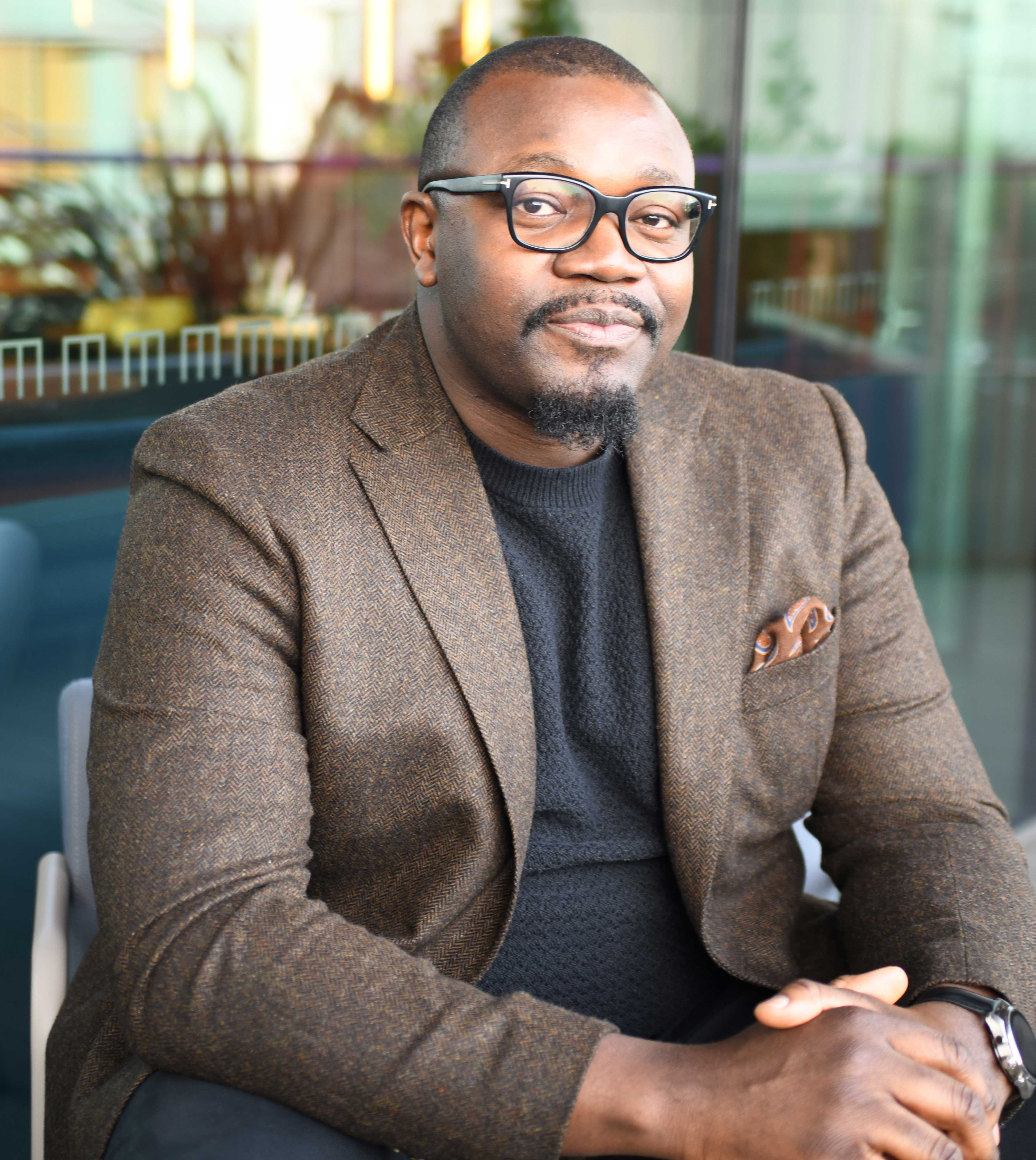
‘Leadership is creating a space for others to contribute’
Duro Oye chief executive and founder of 20/20 Levels charity