
Development is personal and professional
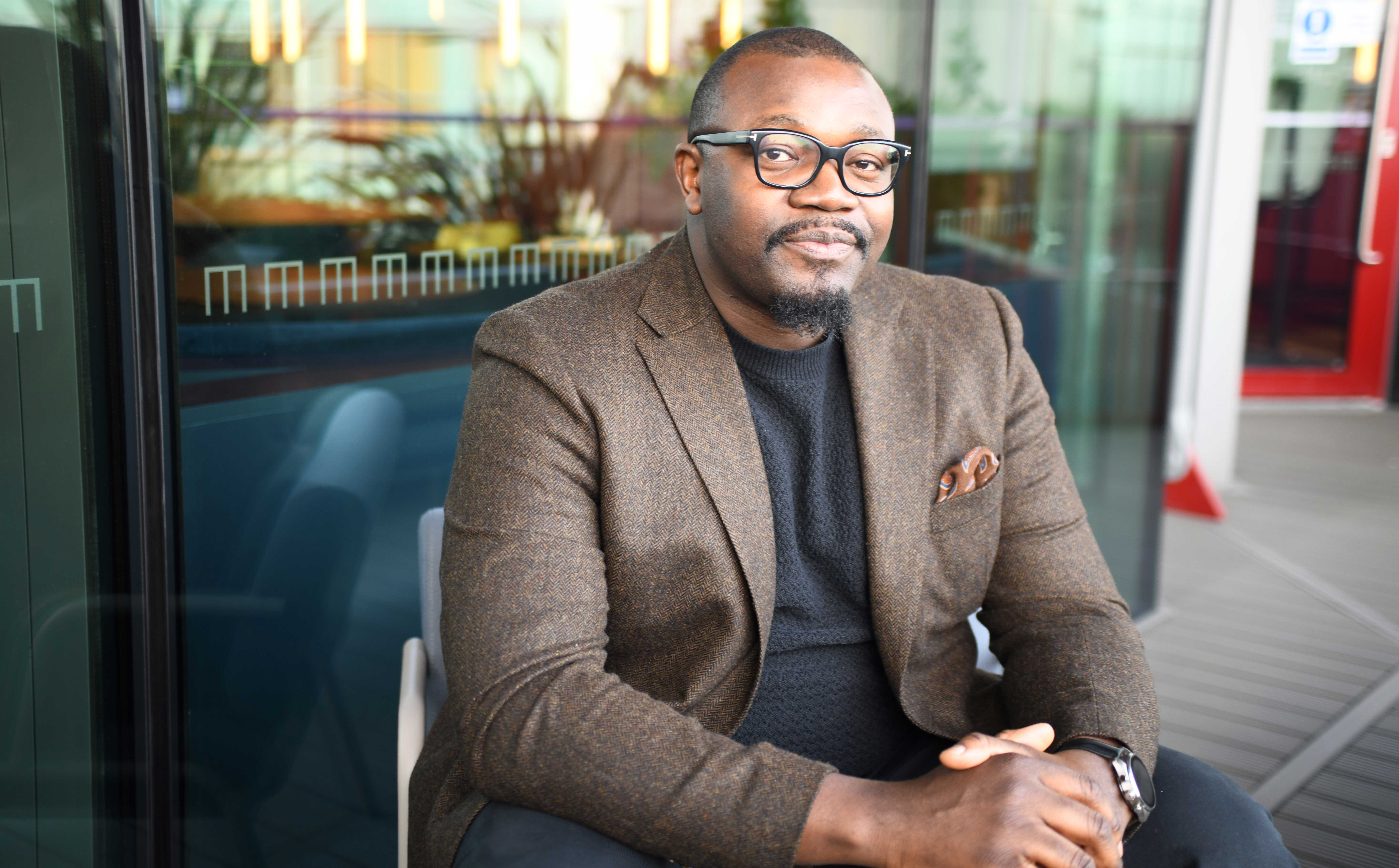
Duro Oye is the chief executive and founder of the 20/20 Levels, a multi-award-winning charity, which aims to help Black, ethnic minority and economically disadvantaged young people through entrepreneurship training and personal professional development. He unpacks his own journey of learning, the power of potential and why creating communities is crucial to unlocking growth.
Why did you create 20/20 Levels?
It stemmed from my own lived experience. I kept encountering the same issues: young people with ideas and ability, but lacking networks, opportunities or confidence. What started in 2013 as small workshops has now grown into programmes that support young people into employment, entrepreneurship and leadership opportunities. Our mission has remained the same: helping individuals recognise their own potential and equipping them with the tools that they need to act on it.
How does 20/20 Levels do this?
We see learning as something that happens through experience, reflection and community. We combine practical skills with personal development, teaching communication, problem-solving and entrepreneurial thinking, as well as confidence and networking. Mentoring plays a huge role in all of our work. The goal is always about progression, whether that’s into employment or leadership. We work with corporate partners in a symbiotic process that provides them with top-tier diverse talent and gives our young people the opportunities. Even after they’ve secured jobs, we provide one-to-one support that results in 95 per cent of people not only passing probation and 65% staying with the employers for more than three years.
ON RECOGNITION
ON GROWTH
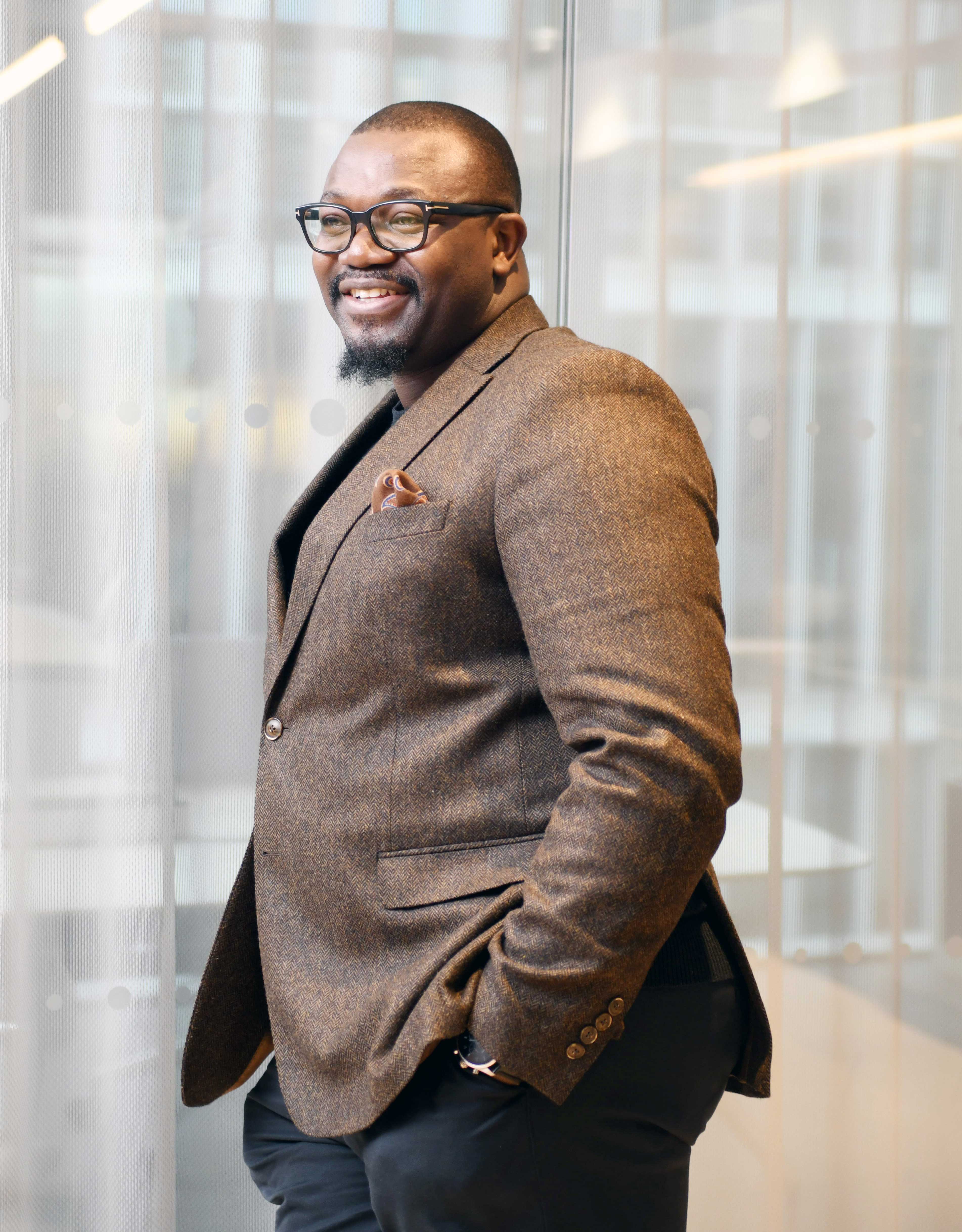
Duro Oye founded 20/20 Levels to help young people recognise their own potential and act on it
What does the word “potential” mean to you?
I remember my English teacher telling me I had so much potential but it was being wasted at the back of the class with the troublemakers. And I’d always think, “What am I going to do with potential? It’s not like I can take potential to the bank.”
Now that I’m older, I believe every person carries potential – but it’s rarely unlocked in isolation. It often hides behind a lack of confidence, a difficult background or simply not knowing that an opportunity exists. So when we talk about unlocking potential at 20/20 Levels, we’re really talking about creating environments that allow growth to happen.
ON POTENTIAL
ON AI
What are the most important skills young people need to develop today?
AI is going to transform a lot of things, but the skills that will endure are the deeply human ones. Adaptability: learning and then unlearning as industries evolve; critical thinking: interpreting and questioning; emotional intelligence: in a world of AI, collaboration, communication and leadership all become more important; and entrepreneurial thinking: not everyone’s going to start a business, but everyone benefits from thinking creatively about opportunities, problem-solving and creating value. The future of work will reward people who are curious, resilient and comfortable navigating change.
What are the main benefits of a culture of learning, and how can other organisations create one?
A culture of growth creates organisations that are more innovative, resilient and engaged. When people are learning, they’re more invested in the mission of the organisation. Psychological safety is important in facilitating experimentation and new ideas. The key to structured learning is that it has to be intentional, it can’t just be training for the sake of a training session. Mentoring, peer-to-peer learning and cross-generational collaboration are all powerful tools that can also help in fostering the right kind of culture. Ultimately, growth happens when people feel challenged and supported.
ON FUTURE
ON PROGRESS
What is the most important thing you have learned across your career?
Meaningful change does not happen alone. I used to think impact was about having the right idea, but I’ve realised it’s actually about building the right community around it. Progress happens when people bring different perspectives, skills and lived experiences together. Leadership is less about having the answers but more about creating space where others can contribute their own ideas.
What do you want your legacy to be?
For me, legacy is about the quality of people that we help to produce in the world, both through the young people we support and the example that we set. If I can raise my son to contribute to building better people and leaving things better than I found them, that’s the legacy that I’d be proud of.
MORE INSIGHTS
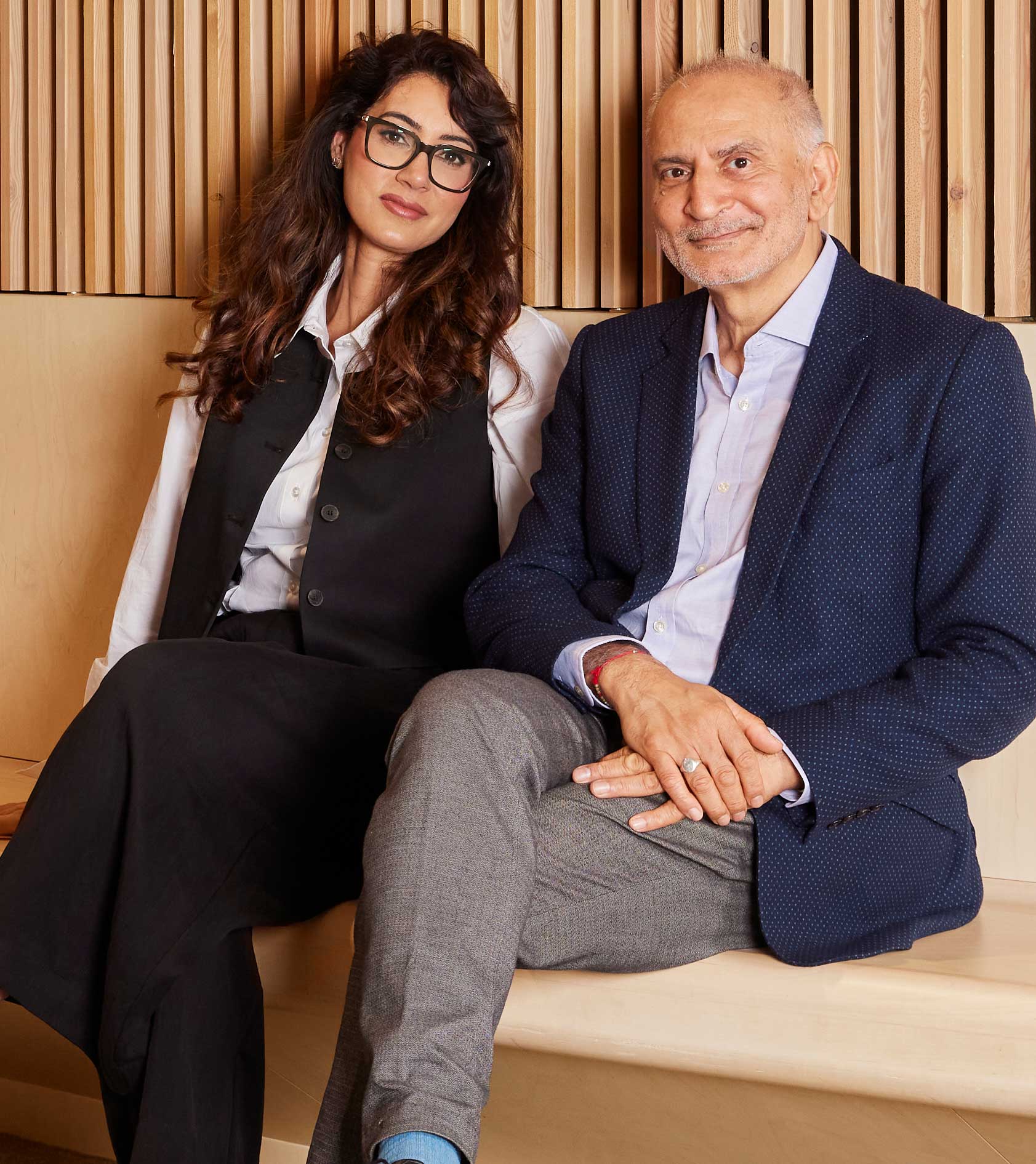
‘The speed of change means skills will constantly become outdated or obsolete’
Indi Seehra director of HR and Neelam Talewar director of HR operations at the London School of Economics and Political Science